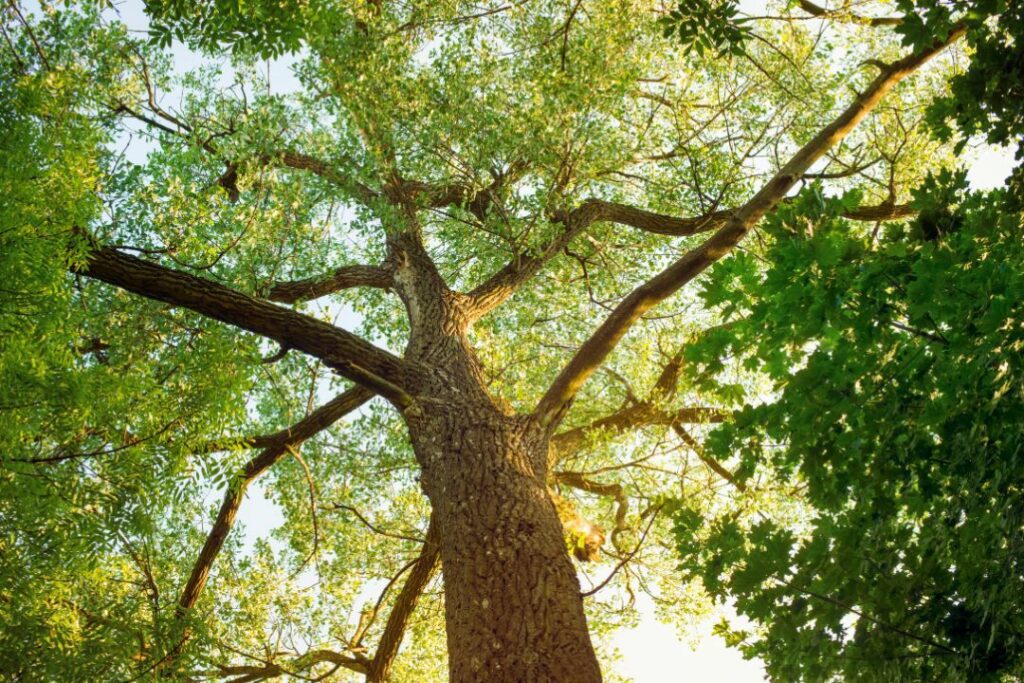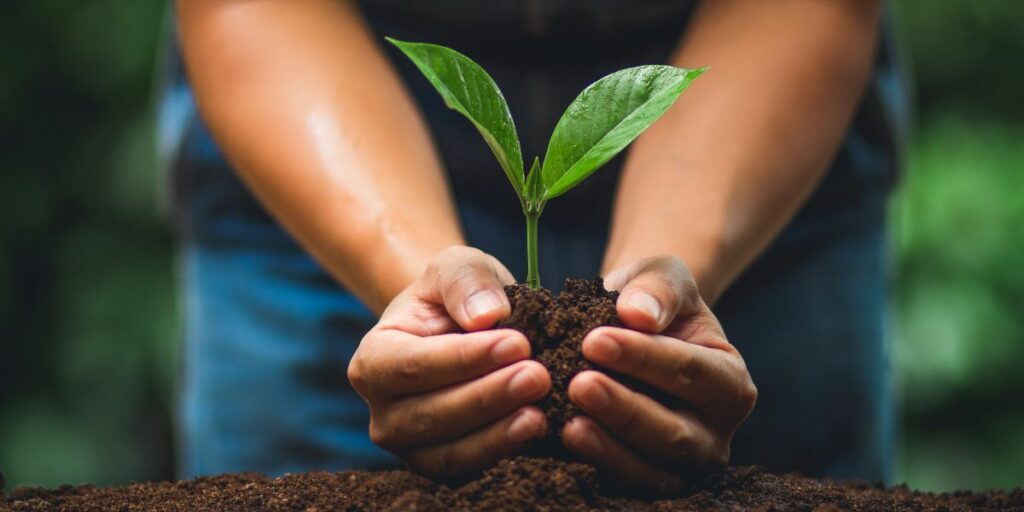
Trees take care of us in multiple ways by providing shade, oxygen, and food. Tree care is part of stewarding our environment and making our earth a more beautiful, healthy place to live. We prune, control pests, fight disease and fungus, and water our trees to ensure a long and productive life.
Can all of this be done in a sustainable, environmentally conscious way? Absolutely! Here are five “green” ways to care for your trees.
- Water your trees using harvested rainwater.
Watering your trees is one of the most basic ways to ensure strong, healthy trees. Trees need water in all seasons, especially during extended drought or heat. Your trees require different amounts of water depending on the tree’s age, type, and growing region. Research your particular tree needs or consult a certified arborist for further information.
Water can be costly, particularly in drought-prone areas or dryer zones. Rainwater harvesting is a sustainable practice that reduces water waste and is easy to implement; it can be as simple as connecting a rain barrel to your gutter system. Rainwater harvesting can help lower your water bill, reduce flooding in low-lying areas, and reduce storm runoff—it’s a win-win for everyone!
Since water for landscaping does not need to be filtered, you can immediately use your harvested rainwater for your trees. Trees need deep watering around the root system, so concentrate your watering efforts on the tree roots and getting the water deeper into the soil.
2. Use biodegradable mulch.
Mulch helps tree roots retain moisture and regulate temperature. It also protects the tree from invasive pests, insects, weeds, and fungi. When selecting mulch for your trees, choose organic materials such as wood chips or bark that nourish the soil as they decompose.
If you feel adventurous, you can make your own mulch by combining organic materials such as grass clippings, chopped-up tree branches and bark, pine needles, and leftover paper.
When applying mulch to the base of your tree, lay three to five inches down one to two feet out from the tree (creating a circle of mulch). Be sure you leave a few inches of free space between the base of your tree and the mulch.
3. Prune.
Pruning is a very environmentally friendly way to protect your tree’s health, as well as the vegetation and animals that live in and around the tree. You can always recycle the pruned branches into wood chips or mulch (unless they are diseased or infested).
Extensive pruning is best done when the tree is dormant (in fall and winter), but there is some recommended pruning to do in spring and summer to keep your tree in good shape. If you have specific pruning questions or want your tree to be pruned by an expert, call a certified arborist.
4.Practice integrated pest control management (IPM).
IPM enables you to control pests and protect your trees with minimal chemical use which is healthier for you and the environment! It involves taking preventative measures against pests before they arrive. Protect your tree from pests by clearing debris and weeds, not allowing standing water to collect, and applying barriers (like mulch) that discourage pests from approaching your trees.
You can also use environmentally safe sprays, horticultural oils (another practice of IPM), and nest removal to protect your trees from damage by pests. Keep an eye on your trees to spot any early signs of pests (sawdust, nibbled leaves, bare bark, and more).
5. Protect and strengthen your trees to ensure a long life
Preventative measures to protect and strengthen your trees can ensure a long life, safety for your home and family, and an undisturbed habitat for the animals that depend on your tree.
To protect young trees, stake them down to help them remain upright and keep their newer root systems firmly in the ground. Bury stakes a few feet out on either side of your tree and tie the tree to the stakes using landscape fabric or recycled materials (like an old t-shirt). Be sure you leave space around the trunk so the tree has room to grow and will not be damaged.
Older trees will be less easily moved, but you can prevent tree damage and broken branches by removing excess weight ahead of time.
Our trees take excellent care of us and are vital for protecting our environment. By following these “green” tree tips you can do your part to take care of your beloved trees and the world we all live in.
Need advice on green tree care? We can help. Advanced Tree Care combines top-notch equipment, cutting-edge technology, and well-trained staff to provide emergency tree removal and tree maintenance services. With a presence in nine counties and two states, we work daily to provide unparalleled customer service, safety, and efficiency—as well as the expertise to beautify your landscaping and community. Advanced Tree Care isn’t just our name—it’s also our purpose!